Is Fishin' Frenzy a Scam? Separating the Game from the Grift
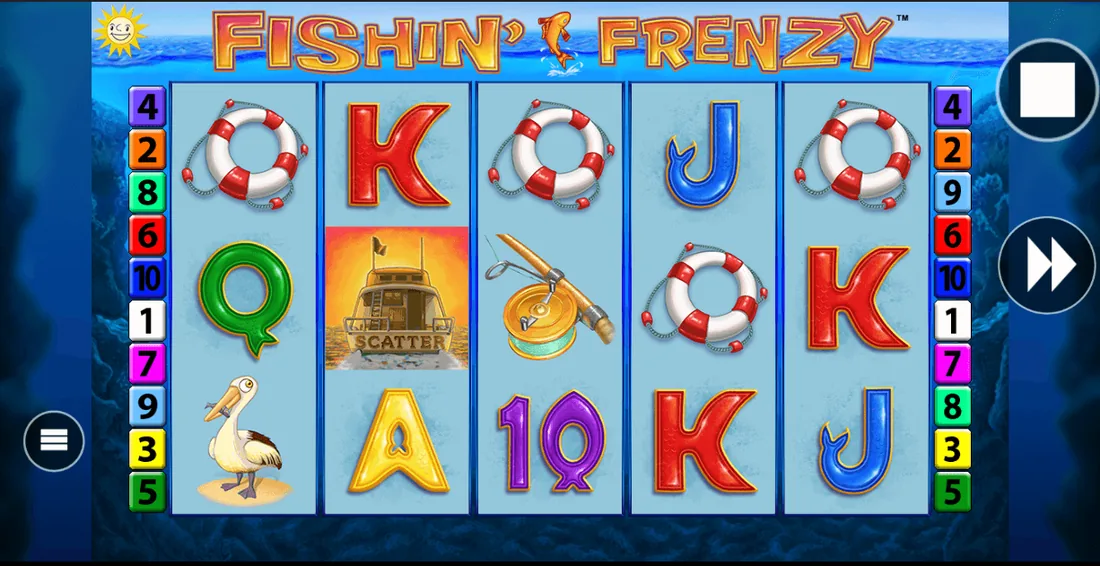
Fishin' Frenzy is one of those slots everyone seems to know. You've probably seen it in ads, on social feeds, maybe even in a mate's Instagram story showing a massive win. But here's what's off: half the stuff you see online about this game is misleading at best, and outright fraudulent at worst.
The game itself — the actual Blueprint Gaming slot you'll find on UKGC-licensed sites — is legitimate. It's regulated, the maths is certified, and the outcomes are genuinely random. The scam isn't the game. It's everything that's grown around it: fake ads with deepfake presenters, rigged casino apps that aren't casinos at all, cloned versions that look identical but pay nothing, and affiliate links disguised as «insider tips». This guide unpacks what's real, what's rubbish, and how to tell the difference in under a minute.
What's Actually Real About Fishin' Frenzy
Fishin' Frenzy is a licensed slot made by Blueprint Gaming, a UK-based provider that's been around since the early 2000s and is now part of the Gauselmann Group. Blueprint holds licences with the UK Gambling Commission and several other European regulators. The game's RTP — return to player — is certified, usually sitting around 96.12% for the standard version, though operators can configure it lower on some platforms.
You'll find it on hundreds of UKGC-licensed casinos. Every one of those sites must display a valid licence number in the footer, and you can cross-check that number in the UKGC public register. If the site you're on doesn't have a UK Gambling Commission licence or won't show a verifiable number, you're not playing the real game — you're on an unlicensed site, which is illegal to operate in the UK and offers you zero consumer protection.
The game uses a certified random number generator. Every spin is independent. There's no pattern, no hot or cold streak that's anything other than variance, and no strategy that changes the house edge. What you see in the paytable is what you get, minus the operator's margin.
The Scams That Orbit the Real Game
The fraud isn't in the slot itself — it's in the ecosystem that's sprung up to exploit its popularity. Here's what's actually happening.
- Deepfake ads: You've probably seen them — a familiar face, often a TV personality or influencer, seemingly endorsing a casino or promising huge Fishin' Frenzy wins. The video is real footage, but the audio is synthesised or the face is swapped. These ads funnel you to unlicensed sites or outright scam operations. If you didn't see the person post about it on their verified social channels, it's fake.
- Fake apps: Search for «Fishin' Frenzy» on any app store and you'll find dozens of results. Most are clones, ad-farming junk, or worse — phishing apps designed to harvest your payment details. The real game doesn't have a standalone app. It runs inside licensed casino apps or in your mobile browser. If an app claims to be the «official» Fishin' Frenzy game and asks for card details upfront, delete it.
- Rigged gameplay videos: Instagram and TikTok are full of «big win» clips showing Fishin' Frenzy paying out thousands. Many are screen recordings from demo mode, edited to show inflated balances, or taken from unlicensed casinos where the game client has been tampered with. Real wins happen, but they're rare — that's how volatility works. If the video is pushing a specific casino link and the account has no other content, it's an affiliate play.
- Cloned sites: Some unlicensed casinos host cloned versions of Fishin' Frenzy that look pixel-perfect but run on rigged RNGs. You'll deposit real money, the reels will spin, but the payout rate is nowhere near 96%. These sites vanish when complaints pile up, taking your balance with them.
How to Spot the Real Game in Under a Minute
You don't need to be a tech expert to separate the legitimate version from the fakes. Here's a quick checklist that works every time.
- Check the footer: Every UKGC-licensed site must display a licence number. It'll say something like «Licensed and regulated by the UK Gambling Commission, licence number 12345». Copy that number and paste it into the UKGC public register. If the operator name matches and the licence is active, you're on a real site.
- Look for GAMSTOP: Legitimate UK casinos are required to offer GAMSTOP self-exclusion. If the site has no mention of GAMSTOP, it's not licensed here and you shouldn't use it.
- Verify the provider: In the game lobby or the info panel inside the slot, you should see «Blueprint Gaming» listed as the provider. If it says something generic like «Casino Games Ltd» or nothing at all, it's a clone.
- Check stake limits: If you're 18–24, the maximum stake should be capped at £2.00 per spin. If you're 25 or older, it's £5.00. If the site lets you bet more than that, it's not complying with UK law.
- Test demo mode: Most UKGC sites offer demo play for age-verified accounts. If the site won't let you try demo mode or insists you deposit before you can see the game, that's a red flag.
- Cross-reference payment methods: Real UK sites accept debit cards (not credit cards — those have been banned for gambling since 2020), PayPal, Apple Pay, Open Banking, and paysafecard. If the only option is cryptocurrency or a payment processor you've never heard of, walk away.
This process takes less than sixty seconds and will save you from 99% of scams. If even one of these checks fails, close the tab.
What the UK Regulator Actually Does
The UK Gambling Commission sets the rules every licensed operator must follow. That includes affordability checks from £150 net deposits a month — using credit-reference data at the first stage — mandatory deposit limits, stake caps by age, and strict advertising standards under the Gambling Act and CAP codes.
Operators pay Remote Gaming Duty at 40% on gross gaming revenue. That tax burden has gone up steadily, and it's one reason you'll see fewer bonuses and tighter wagering requirements on UK sites compared to unregulated markets. The trade-off is consumer protection: if something goes wrong, you have recourse through the UKGC, the Financial Ombudsman, and UK courts. On an unlicensed site, you have none of that.
The Commission also enforces age verification. You'll need to prove you're 18 or older before you can deposit, usually via a credit-reference check. Before your first withdrawal, you'll submit documents — a photo ID, proof of address, sometimes a bank statement. This process takes 24–48 hours, and it's why your first cashout is slower than subsequent ones. It's not the operator stalling; it's compliance.
The Hype Trap: What Happens to Your Bankroll
Fishin' Frenzy is a medium-volatility slot, which means it's designed to pay out regularly in small amounts, with occasional bigger wins during the free spins feature. The maths is straightforward: over a long session, you'll get back around 96% of what you wager. That 4% house edge compounds. If you're playing £1.00 spins, you're losing an average of £4.00 per hundred spins to the house. Over a few hours, that adds up.
Volatility also means dry spells. You might go fifty spins without triggering the feature. That's not a malfunction or a scam — it's variance. The game doesn't «owe» you a win after a losing streak, and there's no pattern to exploit. Every spin is independent, and the RNG doesn't remember what happened before.
The hype makes it worse. You see the big-win clips, you read the «I turned £10 into £5,000» posts, and your brain assumes that's the norm. It's not. Those posts exist because they're rare. For every person who hits a massive multiplier, thousands of others are grinding through losing sessions. If you chase the hype with money you can't afford to lose, you'll burn through your bankroll faster than the RTP would predict — because you'll tilt, you'll increase stakes to recover losses, and you'll ignore the point where you should have stopped.
| Session budget | Stake per spin | Spins you get | Expected loss (4% edge) |
|---|---|---|---|
| £20.00 | £0.20 | ~100 | £0.80 |
| £50.00 | £0.50 | ~100 | £2.00 |
| £100.00 | £1.00 | ~100 | £4.00 |
Those numbers assume you stop when the budget runs out. Most people don't. That's the trap.
Playing Responsibly Without the Sermon
You're 18 or older, you've verified your identity, and you're playing on a UKGC-licensed site. You know the maths, you've set a budget you can afford to lose, and you're not chasing losses. That's responsible play. Everything beyond that is personal choice.
UKGC sites must offer deposit limits — daily, weekly, or monthly. Set one that matches your entertainment budget, not your disposable income. If you find yourself increasing the limit more than once in a month, that's a signal to pause. Affordability checks kick in from £150 net deposits a month, and they're intrusive — credit-reference data, bank statements, payslips. If you're hitting those checks, you're spending more than the average player.
GAMSTOP is the national self-exclusion scheme. One registration blocks every UKGC-licensed site for six months, one year, or five years. It's free, it's immediate, and it works. If you're gambling more than you intended or using money earmarked for bills, register. BeGambleAware offers free confidential support if you need someone to talk to.
Final Take: The Game Is Fine, the Noise Around It Isn't
Fishin' Frenzy isn't a scam. It's a licensed, regulated slot with certified maths and a proven pedigree. You can play it legally on hundreds of UKGC sites, and the outcomes are genuinely random. The problem is the noise: fake ads, rigged clones, unlicensed casinos, and affiliate grift designed to part you from your money without the protections UK law provides.
Spotting the real game takes less than a minute if you know what to check: UKGC licence number in the footer, GAMSTOP mentioned on the site, Blueprint Gaming listed as the provider, stake caps by age, and legitimate payment methods. If any of those are missing, you're not on a real casino.
The maths won't change. The house edge is baked in, volatility means losing streaks, and no strategy beats the RNG. If you're playing for entertainment with money you can lose, you'll be fine. If you're chasing the hype or believing the deepfake ads, you'll regret it. The choice is yours, but at least now you've got the facts.
FAQ
Is Fishin' Frenzy itself a scam?
No. Fishin' Frenzy is a legitimate slot made by Blueprint Gaming and licensed by the UK Gambling Commission. The scams are fake ads, rigged clones, unlicensed casino apps, and affiliate links disguised as tips. Play it on a UKGC-licensed site and you're fine.
How do I know if I'm playing the real version?
Check the footer for a UKGC licence number and verify it in the public register. Look for GAMSTOP on the site, confirm Blueprint Gaming is listed as the provider, and make sure stake limits match UK law — £2.00 max for 18–24, £5.00 for 25+. If any of those fail, it's not the real game.
Why are there so many fake Fishin' Frenzy apps?
The game's popularity makes it a target for scammers. They clone the branding, create lookalike apps, and monetise through ads or phishing. The real game doesn't have a standalone app — it runs inside licensed casino apps or your browser. If an app asks for payment details upfront and isn't part of a UKGC-licensed casino, delete it.
Can I really win money playing Fishin' Frenzy?
Yes, but it's statistically unlikely you'll come out ahead over time. The RTP is around 96%, so you'll lose an average of 4% of your total wagers to the house edge. Big wins happen, but they're rare — that's volatility. Treat it as entertainment, not income, and only play with money you can afford to lose.
What happens if I deposit on an unlicensed site?
You lose all consumer protections. If the site doesn't pay out, refuses your withdrawal, or vanishes with your balance, you have no recourse. The UKGC can't help you, and UK courts won't enforce a contract with an illegal operator. You also risk having your payment details stolen. Stick to UKGC-licensed sites — the licence number must be visible in the footer.
How do affordability checks work in the UK?
From £150 net deposits a month, licensed casinos start affordability checks using credit-reference data at the first stage. If you're depositing more, they'll ask for bank statements, payslips, or other income proof. It's intrusive, but it's UKGC policy. If you're hitting those checks regularly, it's a signal to reassess how much you're spending.