What the Fishin' Frenzy Demo Actually Lets You See
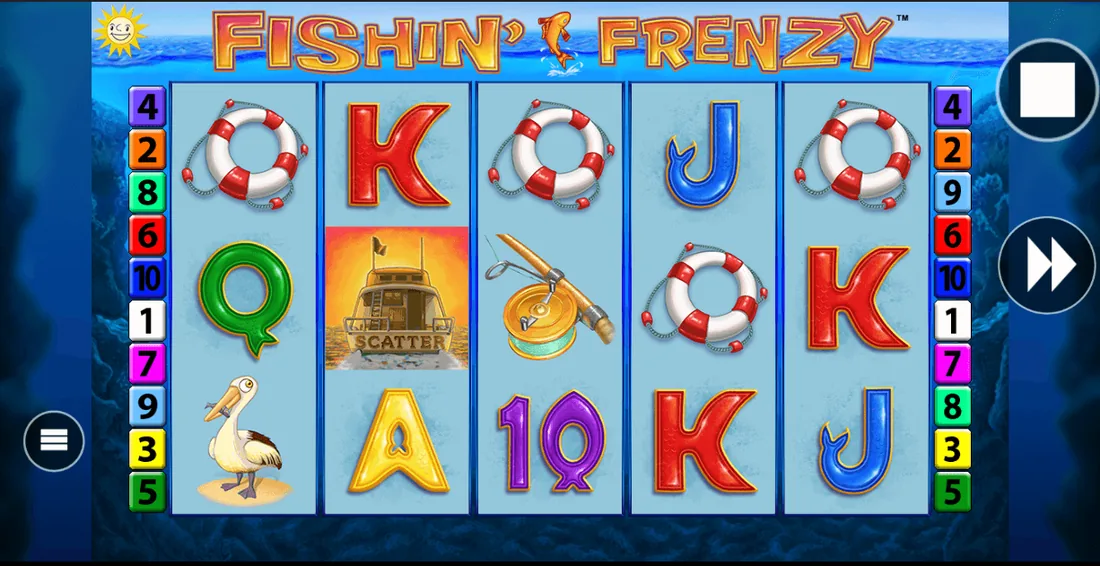
You open the game lobby, tap Fishin' Frenzy, and the screen asks: demo or real? You choose demo. A balance appears — £500, sometimes £1,000 — and the bet controls sit exactly where they would in real-money play. The reels spin, the catch animations run, and the meter climbs or falls. Nothing on the interface tells you this is practice money until you try to cash out.
Demo mode exists on most UKGC-licensed sites, but what it shows you and what it hides both matter. The bet range is real, the RTP is real, and the volatility is real. The withdrawal button, the KYC wait, and the bonus wagering requirements are not.
Where the Demo Sits and Why You Usually Log In First
Fishin' Frenzy demos run directly on the casino site, not as a standalone app or third-party widget. The game provider — typically Reel Time Gaming or Blueprint Gaming, depending on which version you are looking at — supplies the demo build to the operator, and the operator embeds it in the lobby alongside the real-money version.
On many UKGC-licensed sites, you will be asked to register and verify your age before you can launch the demo. This is not a universal rule, but it is increasingly common. The reason: the UK Gambling Commission expects operators to confirm that every visitor is over 18 before exposing them to gambling content, even if no money changes hands. Some sites let you browse the lobby and click through to the demo without an account, but others gate it behind a quick sign-up. Either way, you are not depositing yet.
The demo balance refills automatically when it runs out. You do not need to refresh the page or re-register. The session persists as long as your browser stays open, and if you close the tab and come back later, the balance resets to the starting figure.
What You See on the Demo Screen
The demo interface mirrors the real-money version in almost every detail. The bet controls sit in the same place — usually a coin-value selector and a bet-per-line or total-bet field. The range typically starts at £0.10 and caps at £5.00, which matches the UKGC stake limit for slots. If you are 18 to 24 and later switch to real money, that cap drops to £2.00, but the demo does not enforce the lower limit because it does not know your date of birth yet.
The paytable button opens the same payout grid you would see in real play. The RTP figure — often 96.00% or 96.10% for Fishin' Frenzy — applies to both demo and real spins. The volatility, the hit frequency, and the bonus-trigger probability are identical. The RNG runs the same calculations. The only difference is that the demo balance has no withdrawal path.
- Balance display: £500 or £1,000 in demo credits, refreshed when depleted.
- Bet adjustment: full range from £0.10 to £5.00, matching the real-money controls.
- Autoplay: same speed and stop-loss settings as the paid version.
- Sound and graphics: identical to real play, no «demo» watermark on the reels.
The pace feels quick. At default settings, you can run through £100 of demo balance in a couple of minutes. This is useful for gauging how fast your real bankroll would move at a given stake, but it also means the demo does not slow you down or nudge you toward caution. The rhythm is the same whether you are spending house money or your own.
Which Numbers Carry Over and Which Do Not
The maths of the game — RTP, volatility, payline structure — carries over exactly. If the demo pays 10× your stake for a certain symbol combination, the real-money version will too. If the bonus round triggers once every 150 spins on average in demo mode, expect the same frequency when you deposit. The RNG does not change.
What does not carry over: any sense of your personal session history. The demo does not track your longest losing streak, your biggest single win, or how many dead spins you hit before the feature landed. These are random events, and the demo session is too short to show you the full distribution. You might trigger the bonus twice in 50 demo spins and assume it is common, then go 300 real-money spins without seeing it once. Both outcomes sit within the expected range for a volatile slot.
The demo also does not show you how the bonus wagering system works if you claim a welcome offer. Suppose you deposit £20 and receive £20 in bonus funds with a 35× wagering requirement. You now need to turn over £700 before you can withdraw. The demo balance never carries a wagering counter, so you do not see how slowly that meter moves or how many losing spins it takes to clear the playthrough.
What the Demo Hides from View
The withdrawal button sits in the corner of the demo screen, greyed out. Click it, and nothing happens. This is the most obvious omission, but it is not the only one. The demo does not surface the KYC process, which begins the moment you request your first real-money withdrawal. Expect to upload a photo ID and proof of address, then wait 24 to 48 hours for the operator to verify your documents. The demo session ends before any of this friction appears.
Faster Payments withdrawals to a UK bank account typically settle within a few hours to two working days once KYC is complete, but the first withdrawal always takes longer because of the verification queue. E-wallets like PayPal can be quicker — a few hours to 24 hours — but you still need to pass document checks before the payout is released. The demo balance, by contrast, refills instantly when you run out, creating a rhythm that real money does not match.
- Affordability checks: from £150 net deposits a month, operators pull credit-reference data and may ask for bank statements. The demo never mentions this.
- Stake caps by age: if you are 18 to 24, your real-money limit is £2.00 per spin, not the £5.00 the demo allows.
- GAMSTOP integration: if you are self-excluded, you will not reach the demo in the first place because the site will block your registration.
- Bonus wagering counters: the demo does not track playthrough, so you cannot see how long it takes to clear a 35× or 40× requirement.
The demo also skips the moment where you realise your debit card is in your own name — credit cards have been banned for gambling in the UK since 2020 — and that every deposit and withdrawal must trace back to an account you control. This sounds obvious until you are standing in front of the cashier page for the first time.
Demo Play on a Phone
The mobile demo runs in your browser, not as a standalone app. Most UKGC-licensed operators do not publish dedicated casino apps on the Google Play Store or the App Store; they rely on responsive web design instead. You visit the site in Safari or Chrome, log in, and launch the demo from the lobby. The game scales to fit your screen, and the controls shift to a vertical layout if you hold the phone upright.
The experience is smooth on recent handsets — no lag, no stuttering animations — but the smaller screen compresses the paytable and makes it harder to read the fine print about bonus conditions or RTP. You can pinch to zoom on some elements, but the game itself locks to a fixed aspect ratio. If you plan to play for real on a phone, test the demo on that same device first. The bet buttons sit close together on a small touchscreen, and it is easy to tap the wrong stake by accident.
Data usage is light. A 15-minute demo session might consume 5 to 10 MB, mostly for the initial game load. The reels and animations are cached locally, so subsequent spins use very little bandwidth. You do not need Wi-Fi, but a stable 4G connection prevents the game from freezing mid-spin.
The Lowest-Risk Path from Demo to Real Money
Start with the minimum deposit the site allows — often £10.00 — and decline the welcome bonus if it carries a high wagering requirement. Bonuses sound appealing, but a 40× playthrough on a £20 bonus means you need to wager £800 before you can withdraw. Playing without a bonus lets you cash out your first win immediately, minus the KYC wait.
Set your stake at the lower end of the range you tested in demo mode. If you were comfortable at £0.50 per spin in the demo, try £0.20 or £0.30 with real money. This is not because the maths changes — it does not — but because the emotional response to losing £5.00 in 10 spins feels different when it is your own balance. Volatility cuts both ways: long dry spells are normal, and starting at a lower stake gives you more spins to ride them out.
Check the operator's UKGC licence number in the footer and match it against the public register on the Commission's website. This confirms the site is legally permitted to serve British players. Look for the GAMSTOP logo as well — every licensed operator must participate in the self-exclusion scheme. If neither appears, walk away.
- Deposit the minimum (£10.00) without a bonus.
- Start at a stake 30–50% lower than your demo level.
- Set a loss limit before you begin — most sites let you cap your session spend in the account settings.
- Withdraw after your first win, even if it is small. This tests the payout process and KYC queue before you build a larger balance.
- Keep deposits under £150 a month until you understand how affordability checks work on that site.
FAQ
Do I need to register to play the Fishin' Frenzy demo?
It depends on the site. Many UKGC-licensed operators ask you to create an account and verify your age before you can launch the demo, even though you are not depositing. This is to comply with Commission rules about exposing under-18s to gambling content. A few sites let you try the demo without registering, but this is becoming rarer. Either way, registration for demo play does not commit you to a deposit.
Does demo play count towards wagering requirements?
No. Wagering requirements only apply to real-money bets placed after you claim a bonus. Demo spins use house credits that have no withdrawal path, so they cannot contribute to playthrough. If you deposit £20, receive a £20 bonus with 35× wagering, and then switch back to demo mode, your bonus counter freezes until you return to real-money play.
Can I win real money in demo mode?
No. The demo balance is not linked to any payment method, and the withdrawal button is disabled. You can run the balance up to £5,000 or more during a lucky demo session, but you cannot convert those credits to GBP. The only way to win real money is to deposit and play with your own funds.
What is the minimum deposit to switch from demo to real money?
Most UKGC-licensed sites set the minimum at £10.00, though a few allow £5.00. This is enough to test the real-money version at a low stake — £0.10 or £0.20 per spin — and see how the KYC and withdrawal process works. Depositing the minimum without claiming a bonus gives you the most flexibility if you want to cash out quickly.
How long does the first withdrawal take?
The first withdrawal always takes longer because the operator needs to verify your identity and address. Expect to upload a photo ID and a utility bill or bank statement, then wait 24 to 48 hours for approval. Once KYC is complete, Faster Payments withdrawals to a UK bank account usually arrive within a few hours to two working days. E-wallets like PayPal can be quicker — a few hours to 24 hours — but the initial document check still applies.